

Apex Print Pac

Flexographic printing is a popular method for printing large orders of custom labels at rapid speeds

Flexo label printing is a popular method of printing labels that are used on various products in different industries, including food and beverage, pharmaceutical, cosmetic, and personal care. This method of printing is ideal for producing high-quality, durable labels that can withstand various environmental conditions. In this article, we will explore the different aspects of flexo label printing, including the process, materials, advantages, and applications.

What is Flexo Label Printing?

Flexo label printing is a printing process that utilizes flexible printing plates made of rubber or photopolymer materials. The plates are mounted on a cylinder, which rotates and transfers ink onto the substrate (the material to be printed on). The ink is transferred through a series of rollers, each with a specific function, such as ink metering, impression, and transfer.

The flexo printing process allows for a wide range of colors and high-quality printing, with the ability to print on a variety of substrates, including paper, plastic, and metallic materials. It is also possible to add finishing touches to the label, such as embossing, varnishing, and laminating.

At Apex Print Pac we print labels that offers high-quality, durability and  are utmost industrial standards.


Materials Used in Flexo Label Printing

Flexo label printing utilizes various materials, including inks, substrates, and printing plates.

Inks:

Flexo inks are formulated with special properties to adhere to a variety of substrates and dry quickly. The inks are made of four components: pigments, binders, solvents, and additives. Pigments provide the color, binders hold the pigments together, solvents carry the ink to the substrate, and additives improve the ink’s properties, such as viscosity and drying time.

Substrates:

Flexo label printing can be done on a variety of substrates, including paper, plastic, and metallic materials. The choice of substrate depends on the application and the required durability of the label. For example, food and beverage labels must be able to withstand moisture, while pharmaceutical labels must be resistant to chemicals.

Printing Plates:

Flexo printing plates can be made of rubber or photopolymer materials. Rubber plates are more traditional and are made by carving out the design on a rubber material. Photopolymer plates are created by exposing a light-sensitive polymer material to UV light through a film negative. The exposed areas harden, while the unexposed areas are washed away, leaving the design on the plate.

Advantages of Flexo Label Printing

Flexo label printing offers several advantages, including:

Durable labels:​

Flexo labels are durable and can withstand various environmental conditions, making them ideal for a range of applications.

Wide range of substrates:

Flexo printing can be done on a variety of substrates, including paper, plastic, and metallic materials.

Fast production:

Flexo printing is a fast process, allowing for quick turnaround times.

Cost-effective:

Flexo printing is a cost-effective printing method for large production runs.

High-quality printing:

Flexo printing offers high-quality printing with vibrant colors and sharp images.

Applications of Flexo Label Printing

Flexo label printing is used in various industries, including:

Food and beverage:

Flexo labels are commonly used in the food and beverage industry for product labeling, such as on bottles, cans, and packaging.

Pharmaceutical:

Flexo labels are used in the pharmaceutical industry for product labeling, such as on medicine bottles and packaging.

Cosmetic and personal care:

Flexo labels are used in the cosmetic and personal care industry for product labeling, such as on shampoo bottles and makeup packaging.

Industrial:

Flexo labels are used in the industrial industry for labeling products such as chemicals, automotive parts, and electronics.

flexo label

The psychology behind gambling Understanding your mind at Chicken Road Game

The psychology behind gambling Understanding your mind at Chicken Road Game

The allure of gambling and the Chicken Road Game

The Game has gained immense popularity among gambling enthusiasts, drawing players with its colorful graphics and engaging gameplay. At the heart of this attraction is the psychology that underpins gambling itself. The thrill of potentially winning a jackpot creates a sense of excitement, compelling players to return for more. This phenomenon is often linked to the brain’s reward system, which releases dopamine, enhancing feelings of pleasure and reinforcing behaviors associated with gambling. Furthermore, many modern stadiums are evolving into digital entertainment hubs, incorporating features like Chicken Road that elevate the spectator experience.

Moreover, the social aspect of the Game cannot be overlooked. Many players find joy in the shared experience, whether it’s competing against friends or celebrating wins together. This community engagement adds an additional layer of motivation, making the game not just a solitary activity but a social event that fuels continued participation.

Cognitive biases play a significant role in shaping how players perceive their chances of winning in games like Chicken Road. For instance, the illusion of control is a common bias where players believe they can influence the outcome despite the game’s inherent randomness. This false sense of control can lead to increased gambling behavior, as players often misinterpret past results as predictive of future success.

Furthermore, the availability heuristic, which influences how easily individuals can recall instances of winning, can skew perceptions. Players might focus on memorable wins while downplaying losses, thereby reinforcing their belief that they are more successful than they actually are. Understanding these biases can help players make more informed decisions about their gambling habits.

The emotional rollercoaster of gaming

Engaging in the Game can lead to a rollercoaster of emotions. The anticipation before each turn creates heightened excitement, while losses can evoke feelings of frustration or disappointment. This emotional fluctuation keeps players invested in the game, as each win can bring immense joy, momentarily overshadowing any previous losses.

The thrill of winning not only boosts mood but also creates a sense of accomplishment. This emotional feedback loop reinforces the desire to continue playing, regardless of the odds. Recognizing these emotional triggers is crucial for players who wish to maintain a healthy relationship with gambling.

The influence of environment on gambling decisions

The environment in which players engage with the Game significantly impacts their experience and decision-making. Factors such as lighting, sound effects, and overall ambiance can create a stimulating atmosphere that enhances the thrill of gambling. Casinos and gaming platforms often design environments that promote excitement and urgency, encouraging players to stay longer and wager more.

Additionally, the presence of other players can amplify this experience. Social cues, such as cheers from fellow players celebrating wins, can create a buzz that draws individuals into the action. This social dynamic can heighten the overall gaming experience, leading to impulsive decisions and an increased likelihood of prolonged play.
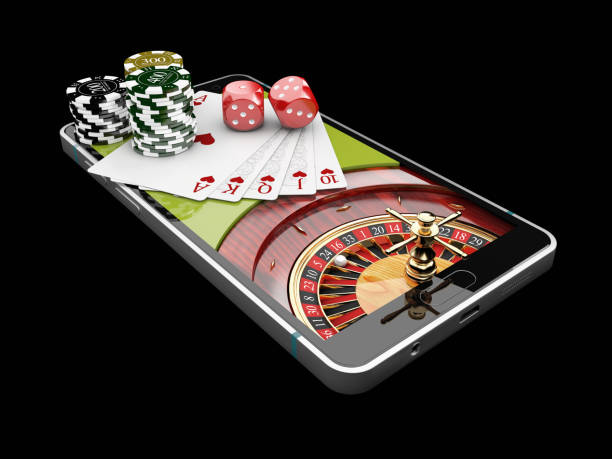
Exploring the digital gaming landscape

This shift has also enabled developers to create more engaging and innovative gaming experiences that cater to various preferences. Understanding the psychology behind these changes is essential for players looking to navigate the evolving landscape of gambling responsibly. Knowledge of their own motivations and emotions can lead to a more fulfilling and balanced gaming experience.

“`

Leave a Comment

Your email address will not be published. Required fields are marked *

Shopping Cart