

Apex Print Pac

Flexographic printing is a popular method for printing large orders of custom labels at rapid speeds

Flexo label printing is a popular method of printing labels that are used on various products in different industries, including food and beverage, pharmaceutical, cosmetic, and personal care. This method of printing is ideal for producing high-quality, durable labels that can withstand various environmental conditions. In this article, we will explore the different aspects of flexo label printing, including the process, materials, advantages, and applications.

What is Flexo Label Printing?

Flexo label printing is a printing process that utilizes flexible printing plates made of rubber or photopolymer materials. The plates are mounted on a cylinder, which rotates and transfers ink onto the substrate (the material to be printed on). The ink is transferred through a series of rollers, each with a specific function, such as ink metering, impression, and transfer.

The flexo printing process allows for a wide range of colors and high-quality printing, with the ability to print on a variety of substrates, including paper, plastic, and metallic materials. It is also possible to add finishing touches to the label, such as embossing, varnishing, and laminating.

At Apex Print Pac we print labels that offers high-quality, durability and  are utmost industrial standards.


Materials Used in Flexo Label Printing

Flexo label printing utilizes various materials, including inks, substrates, and printing plates.

Inks:

Flexo inks are formulated with special properties to adhere to a variety of substrates and dry quickly. The inks are made of four components: pigments, binders, solvents, and additives. Pigments provide the color, binders hold the pigments together, solvents carry the ink to the substrate, and additives improve the ink’s properties, such as viscosity and drying time.

Substrates:

Flexo label printing can be done on a variety of substrates, including paper, plastic, and metallic materials. The choice of substrate depends on the application and the required durability of the label. For example, food and beverage labels must be able to withstand moisture, while pharmaceutical labels must be resistant to chemicals.

Printing Plates:

Flexo printing plates can be made of rubber or photopolymer materials. Rubber plates are more traditional and are made by carving out the design on a rubber material. Photopolymer plates are created by exposing a light-sensitive polymer material to UV light through a film negative. The exposed areas harden, while the unexposed areas are washed away, leaving the design on the plate.

Advantages of Flexo Label Printing

Flexo label printing offers several advantages, including:

Durable labels:​

Flexo labels are durable and can withstand various environmental conditions, making them ideal for a range of applications.

Wide range of substrates:

Flexo printing can be done on a variety of substrates, including paper, plastic, and metallic materials.

Fast production:

Flexo printing is a fast process, allowing for quick turnaround times.

Cost-effective:

Flexo printing is a cost-effective printing method for large production runs.

High-quality printing:

Flexo printing offers high-quality printing with vibrant colors and sharp images.

Applications of Flexo Label Printing

Flexo label printing is used in various industries, including:

Food and beverage:

Flexo labels are commonly used in the food and beverage industry for product labeling, such as on bottles, cans, and packaging.

Pharmaceutical:

Flexo labels are used in the pharmaceutical industry for product labeling, such as on medicine bottles and packaging.

Cosmetic and personal care:

Flexo labels are used in the cosmetic and personal care industry for product labeling, such as on shampoo bottles and makeup packaging.

Industrial:

Flexo labels are used in the industrial industry for labeling products such as chemicals, automotive parts, and electronics.

flexo label

The journey of gambling tracing its historical evolution through the ages

The journey of gambling tracing its historical evolution through the ages

Origins of Gambling in Ancient Civilizations

The history of gambling dates back thousands of years, with evidence of betting practices found in ancient civilizations. From the dice used in Mesopotamia to the betting on chariot races in ancient Rome, these early forms of gambling were deeply intertwined with social and cultural activities. Archaeological findings suggest that even the ancient Chinese had a game of chance known as Keno, which laid the groundwork for modern lotteries. Today, there are even casino apps that pay real money that reflect the evolution of these practices.

These early forms of gambling were not merely recreational; they often played significant roles in religious and political ceremonies. In many cultures, dice games and betting on outcomes were seen as ways to communicate with the gods or influence fate. This intertwining of gambling with spirituality further illustrates its historical importance and widespread acceptance across diverse societies.

The Evolution of Gambling in the Middle Ages

The Middle Ages marked a significant transformation in the landscape of gambling. During this period, card games gained popularity in Europe, leading to the development of games like Poker and Blackjack. Gambling establishments began to emerge, with taverns and inns offering betting opportunities, reflecting the growing demand for gambling among the populace.

However, this era also brought about stricter regulations on gambling, as authorities sought to control the vice associated with it. Many European countries enacted laws to curb excessive gambling, viewing it as a threat to moral values and societal order. Despite these restrictions, clandestine gambling houses flourished, highlighting the persistent allure of games of chance.

Gambling in the Modern Era

The 18th and 19th centuries saw gambling evolve into a more structured form, with the establishment of casinos in cities like Monte Carlo and Las Vegas. These luxurious establishments attracted affluent patrons and contributed to a more glamorous image of gambling. The introduction of roulette and baccarat during this time further diversified the gaming options available to players.

Technological advancements also played a crucial role in reshaping gambling during this period. The invention of mechanical slot machines in the late 19th century revolutionized the gambling experience, making it more accessible to the masses. This democratization of gambling transformed it from an elite pastime to a popular activity enjoyed by people from all walks of life.

The Impact of Technology on Gambling Today

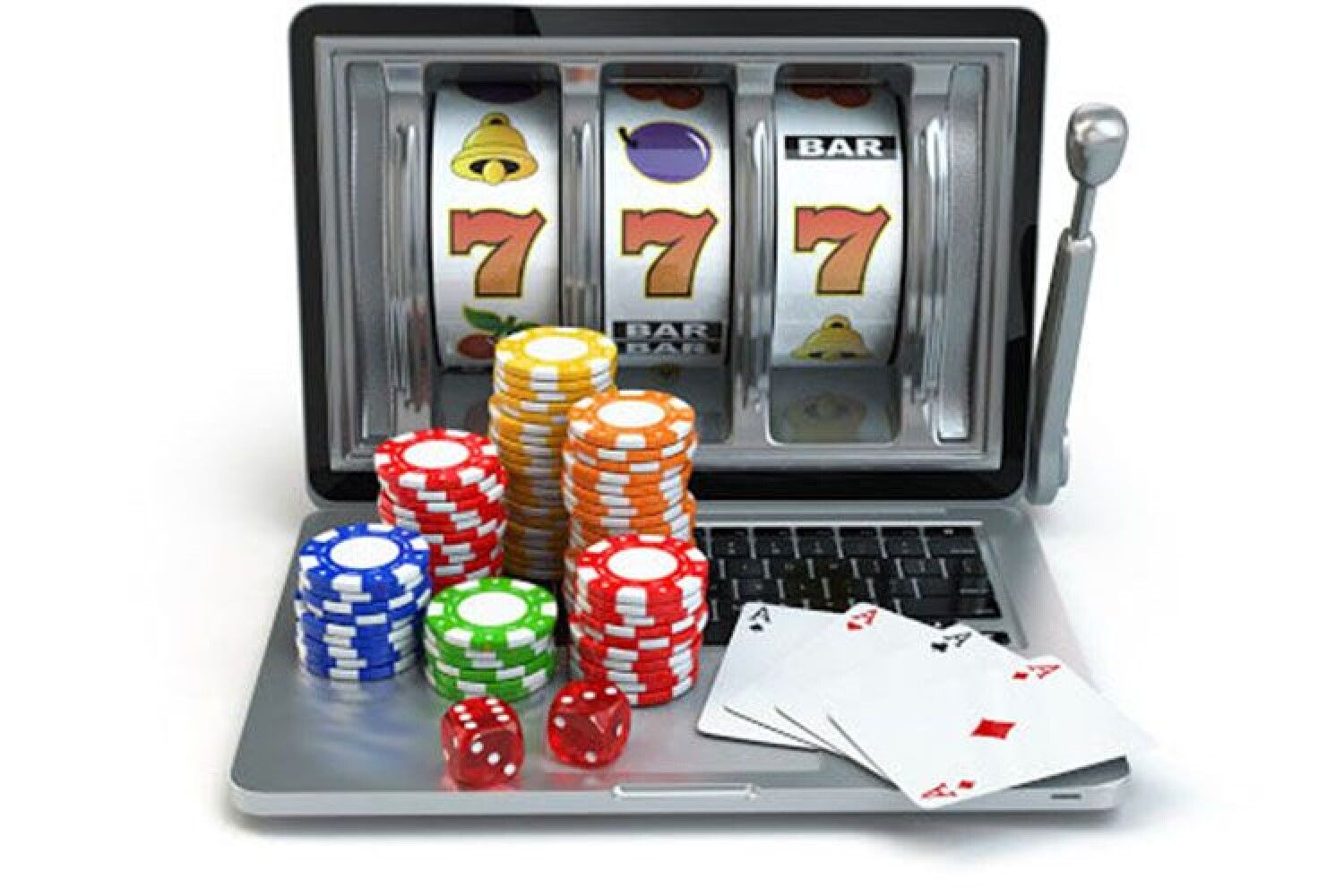
The rise of the internet has dramatically changed the gambling landscape in the 21st century. Online casinos and mobile gaming apps have made gambling more convenient, allowing players to access their favorite games from anywhere at any time. This evolution has broadened the appeal of gambling, attracting a new generation of players who prefer the comfort of their homes.

However, this shift also raises concerns about responsible gambling. As access to gambling becomes easier, the risk of addiction and financial issues increases. It is essential for both players and operators to prioritize responsible gambling practices, ensuring that gaming remains a form of entertainment rather than a source of distress.
Exploring the Future of Gambling

As we look to the future, the journey of gambling continues to evolve. Innovations such as virtual reality casinos and blockchain technology are on the horizon, promising to enhance the gambling experience further. These advancements aim to create immersive environments and improve security for online transactions, which could revolutionize how players engage with gambling platforms.

Additionally, the focus on responsible gambling is expected to intensify. Regulatory bodies are increasingly advocating for measures to protect players, ensuring that the thrill of gambling does not come at the cost of well-being. The future of gambling will likely balance innovation with ethical considerations, creating an environment that fosters safe and enjoyable gaming experiences.

Leave a Comment

Your email address will not be published. Required fields are marked *

Shopping Cart