

Apex Print Pac

Flexographic printing is a popular method for printing large orders of custom labels at rapid speeds

Flexo label printing is a popular method of printing labels that are used on various products in different industries, including food and beverage, pharmaceutical, cosmetic, and personal care. This method of printing is ideal for producing high-quality, durable labels that can withstand various environmental conditions. In this article, we will explore the different aspects of flexo label printing, including the process, materials, advantages, and applications.

What is Flexo Label Printing?

Flexo label printing is a printing process that utilizes flexible printing plates made of rubber or photopolymer materials. The plates are mounted on a cylinder, which rotates and transfers ink onto the substrate (the material to be printed on). The ink is transferred through a series of rollers, each with a specific function, such as ink metering, impression, and transfer.

The flexo printing process allows for a wide range of colors and high-quality printing, with the ability to print on a variety of substrates, including paper, plastic, and metallic materials. It is also possible to add finishing touches to the label, such as embossing, varnishing, and laminating.

At Apex Print Pac we print labels that offers high-quality, durability and  are utmost industrial standards.


Materials Used in Flexo Label Printing

Flexo label printing utilizes various materials, including inks, substrates, and printing plates.

Inks:

Flexo inks are formulated with special properties to adhere to a variety of substrates and dry quickly. The inks are made of four components: pigments, binders, solvents, and additives. Pigments provide the color, binders hold the pigments together, solvents carry the ink to the substrate, and additives improve the ink’s properties, such as viscosity and drying time.

Substrates:

Flexo label printing can be done on a variety of substrates, including paper, plastic, and metallic materials. The choice of substrate depends on the application and the required durability of the label. For example, food and beverage labels must be able to withstand moisture, while pharmaceutical labels must be resistant to chemicals.

Printing Plates:

Flexo printing plates can be made of rubber or photopolymer materials. Rubber plates are more traditional and are made by carving out the design on a rubber material. Photopolymer plates are created by exposing a light-sensitive polymer material to UV light through a film negative. The exposed areas harden, while the unexposed areas are washed away, leaving the design on the plate.

Advantages of Flexo Label Printing

Flexo label printing offers several advantages, including:

Durable labels:​

Flexo labels are durable and can withstand various environmental conditions, making them ideal for a range of applications.

Wide range of substrates:

Flexo printing can be done on a variety of substrates, including paper, plastic, and metallic materials.

Fast production:

Flexo printing is a fast process, allowing for quick turnaround times.

Cost-effective:

Flexo printing is a cost-effective printing method for large production runs.

High-quality printing:

Flexo printing offers high-quality printing with vibrant colors and sharp images.

Applications of Flexo Label Printing

Flexo label printing is used in various industries, including:

Food and beverage:

Flexo labels are commonly used in the food and beverage industry for product labeling, such as on bottles, cans, and packaging.

Pharmaceutical:

Flexo labels are used in the pharmaceutical industry for product labeling, such as on medicine bottles and packaging.

Cosmetic and personal care:

Flexo labels are used in the cosmetic and personal care industry for product labeling, such as on shampoo bottles and makeup packaging.

Industrial:

Flexo labels are used in the industrial industry for labeling products such as chemicals, automotive parts, and electronics.

flexo label

Historisk udvikling af gambling Fra hasardspil til moderne spilmuligheder

Historisk udvikling af gambling Fra hasardspil til moderne spilmuligheder

Gambling i antikken

I oldtiden var hasardspil en integreret del af mange kulturer. Egypterne og romerne benyttede sig af terninger og spil med kort, hvilket vidner om en tidlig fascination for tilfældighed og held. Disse spil blev ofte spillet under religiøse ceremonier og festligheder, hvilket gjorde dem til en social aktivitet, der bragte folk sammen. I dag kan man finde oplysninger om bonusser, såsom trino casino no deposit bonus, der gør det lettere at tiltrække nye spillere til online platforme.
Det antikke Grækenland er også kendt for sine spil, hvor der blev spillet om penge i forbindelse med sport og olympiske lege. Denne tidlige form for gambling lagde grundstenen for mange af de regler og traditioner, vi kender i dag, og understregede gamblingens sociale betydning i samfundet.

Middelalderens påvirkning af gambling

I middelalderen begyndte gambling at udvikle sig til mere strukturerede former. Spil som kortspil og terningespil blev populære blandt adelen, og forskellige love blev indført for at regulere gambling. I Europa opstod de første kasinoer i denne periode, hvilket markerede et skift fra private spil til mere offentlige spillesteder.

Desuden blev hasardspil ofte forbundet med moral og etik. Kirken forsøgte at begrænse gamblingens indflydelse og betragtede det som en synderlig aktivitet, der kunne lede til ruin og social nedgang. Dette skabte en ambivalent holdning til gambling, som stadig eksisterer i dag.

Overgangen til moderne gambling

I det 19. århundrede begyndte gambling at ændre sig markant med indførelsen af mere organiserede væddemål og lotterier. Dette var en tid med industrielt fremskridt, hvilket gjorde det muligt at etablere større og mere komplekse spilsystemer. Spil som poker og blackjack opstod og fik hurtigt en stor tilhængerskare, hvilket førte til dannelsen af de første gamblingklubber.

Desuden blev lovgivningen omkring gambling mere udbredt, hvilket skabte en ramme for regulering og kontrol. Dette førte til en større accept af gambling som en form for underholdning og skabte en industri, der kunne generere betydelige indtægter for regeringerne.

Nutidens digitale gambling

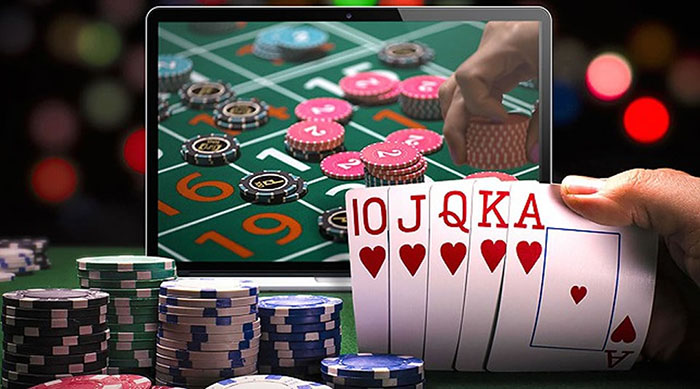
Med fremkomsten af internettet har gambling gennemgået en revolution. Online kasinoer og sportsvæddemål er blevet tilgængelige for alle, hvilket har ændret spillernes adfærd. Dagens spillere kan nu deltage i forskellige spil fra komforten af deres eget hjem, hvilket har øget både populariteten og risikoen ved gambling.

Desuden er betalingsmetoderne blevet diversificeret med muligheden for at bruge kryptovalutaer, hvilket tiltrækker en ny generation af spillere. Denne digitale transformation har også rejst spørgsmål om ansvarligt spil, og hvordan man kan beskytte spillere mod de potentielle skadelige virkninger af gambling.

Trino Casino og moderne spilmuligheder

Trino Casino repræsenterer et eksempel på, hvordan moderne gambling-platforme er designet til at imødekomme spilleres behov. Med et bredt udvalg af spillemaskiner, live dealer-spil og sportsvæddemål skaber Trino en alsidig spiloplevelse for både nye og erfarne spillere.

Platformen fokuserer på sikkerhed og brugervenlighed, hvilket gør det nemt for spillere at navigere og finde information om bonusser og udbetalinger. Med regelmæssige kampagner og et loyalitetsprogram stræber Trino efter at give spillerne en engagerende og underholdende oplevelse, der afspejler den historiske udvikling inden for gambling.

Leave a Comment

Your email address will not be published. Required fields are marked *

Shopping Cart