

Apex Print Pac

Flexographic printing is a popular method for printing large orders of custom labels at rapid speeds

Flexo label printing is a popular method of printing labels that are used on various products in different industries, including food and beverage, pharmaceutical, cosmetic, and personal care. This method of printing is ideal for producing high-quality, durable labels that can withstand various environmental conditions. In this article, we will explore the different aspects of flexo label printing, including the process, materials, advantages, and applications.

What is Flexo Label Printing?

Flexo label printing is a printing process that utilizes flexible printing plates made of rubber or photopolymer materials. The plates are mounted on a cylinder, which rotates and transfers ink onto the substrate (the material to be printed on). The ink is transferred through a series of rollers, each with a specific function, such as ink metering, impression, and transfer.

The flexo printing process allows for a wide range of colors and high-quality printing, with the ability to print on a variety of substrates, including paper, plastic, and metallic materials. It is also possible to add finishing touches to the label, such as embossing, varnishing, and laminating.

At Apex Print Pac we print labels that offers high-quality, durability and  are utmost industrial standards.


Materials Used in Flexo Label Printing

Flexo label printing utilizes various materials, including inks, substrates, and printing plates.

Inks:

Flexo inks are formulated with special properties to adhere to a variety of substrates and dry quickly. The inks are made of four components: pigments, binders, solvents, and additives. Pigments provide the color, binders hold the pigments together, solvents carry the ink to the substrate, and additives improve the ink’s properties, such as viscosity and drying time.

Substrates:

Flexo label printing can be done on a variety of substrates, including paper, plastic, and metallic materials. The choice of substrate depends on the application and the required durability of the label. For example, food and beverage labels must be able to withstand moisture, while pharmaceutical labels must be resistant to chemicals.

Printing Plates:

Flexo printing plates can be made of rubber or photopolymer materials. Rubber plates are more traditional and are made by carving out the design on a rubber material. Photopolymer plates are created by exposing a light-sensitive polymer material to UV light through a film negative. The exposed areas harden, while the unexposed areas are washed away, leaving the design on the plate.

Advantages of Flexo Label Printing

Flexo label printing offers several advantages, including:

Durable labels:​

Flexo labels are durable and can withstand various environmental conditions, making them ideal for a range of applications.

Wide range of substrates:

Flexo printing can be done on a variety of substrates, including paper, plastic, and metallic materials.

Fast production:

Flexo printing is a fast process, allowing for quick turnaround times.

Cost-effective:

Flexo printing is a cost-effective printing method for large production runs.

High-quality printing:

Flexo printing offers high-quality printing with vibrant colors and sharp images.

Applications of Flexo Label Printing

Flexo label printing is used in various industries, including:

Food and beverage:

Flexo labels are commonly used in the food and beverage industry for product labeling, such as on bottles, cans, and packaging.

Pharmaceutical:

Flexo labels are used in the pharmaceutical industry for product labeling, such as on medicine bottles and packaging.

Cosmetic and personal care:

Flexo labels are used in the cosmetic and personal care industry for product labeling, such as on shampoo bottles and makeup packaging.

Industrial:

Flexo labels are used in the industrial industry for labeling products such as chemicals, automotive parts, and electronics.

flexo label

Emerging trends in the future of gambling you can’t afford to ignore

Emerging trends in the future of gambling you can’t afford to ignore

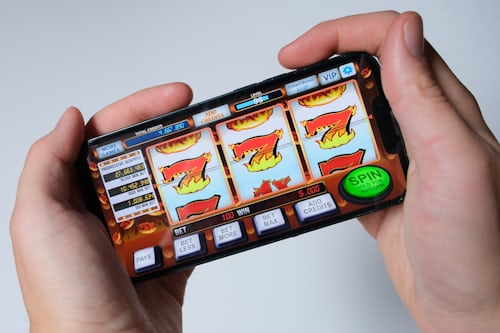
The Rise of Mobile Gambling

In recent years, mobile gambling has taken the industry by storm, allowing players to enjoy their favorite games anytime and anywhere. With the increasing accessibility of smartphones and tablets, more individuals are opting to gamble on their mobile devices rather than visiting traditional casinos. This trend has prompted gambling operators to develop user-friendly apps and optimize their websites for mobile use, ensuring a seamless gaming experience. Furthermore, players can find a variety of options among slot sites that cater specifically to mobile platforms.

The convenience of mobile gambling also means that players can take advantage of special promotions and bonuses offered exclusively to mobile users. As mobile technology continues to evolve, we can expect even more innovative features, such as augmented reality (AR) and virtual reality (VR) experiences, to enhance the gaming experience further.

Integration of Blockchain Technology

Blockchain technology is beginning to make significant inroads into the gambling sector, providing a new level of transparency and security for players. Smart contracts enable automated transactions that eliminate the need for intermediaries, thus reducing costs and increasing efficiency. This technology can provide players with a sense of trust, knowing that their funds and data are secure.

Moreover, blockchain allows for provably fair gaming, where players can verify the fairness of each game outcome. As more online casinos adopt blockchain solutions, the demand for conventional methods may decline, reshaping the entire landscape of the gambling industry.

Live Dealer Games Gaining Popularity

Live dealer games are rapidly becoming a staple in online gambling, bridging the gap between the virtual and physical casino experience. These games feature real dealers broadcasting live from a studio, allowing players to interact in real-time. This trend has attracted many who miss the atmosphere of brick-and-mortar casinos but prefer the convenience of online gaming.

The availability of live dealer games has expanded to include popular options such as blackjack, roulette, and baccarat. As technology improves, we can anticipate even more immersive experiences, including multiple camera angles and enhanced interactions with dealers and fellow players.

Gamification of Gambling Experiences

The concept of gamification is becoming increasingly prevalent in the gambling industry, aiming to make the gaming experience more engaging and interactive. Operators are integrating elements commonly found in video games, such as rewards, achievements, and leaderboards, to attract a broader audience and enhance player retention.

This trend not only appeals to traditional gamblers but also entices younger generations who are accustomed to interactive gaming experiences. By incorporating gamification, casinos can create a more dynamic environment that keeps players coming back for more.
Stay Ahead with Our Website

For those looking to stay updated on the latest trends and developments in the gambling industry, our website offers comprehensive insights and analyses. We cover everything from new gaming technologies to regulatory changes that impact the market, ensuring that you are well-informed.

By exploring our resources, you can gain a deeper understanding of emerging trends and make informed decisions about your gambling activities. Don’t miss out on the future of gambling; stay connected with us for the most relevant information and expert advice.

Leave a Comment

Your email address will not be published. Required fields are marked *

Shopping Cart